
When most people think about the Amazon, they think about what it contains.
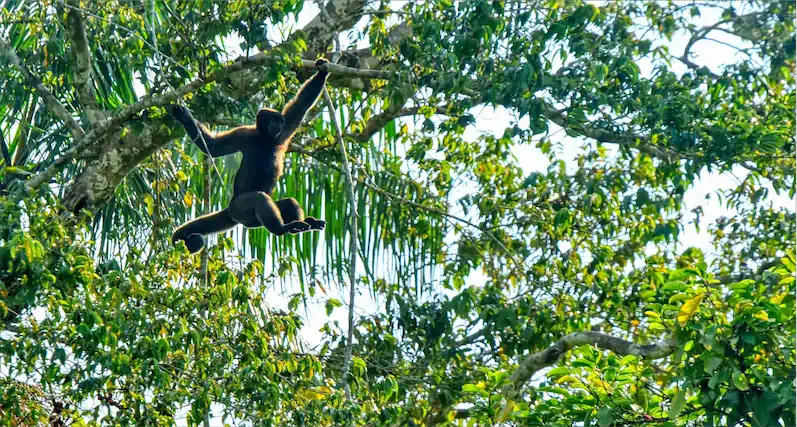
Wood. Water. Carbon. Biodiversity. Minerals. Gas. The lungs of the planet. The last great wilderness. A pharmacopeia. A carbon sink. A destination.
All of these framings have one thing in common: they describe the Amazon as a warehouse of resources that exists for the benefit of people who live somewhere else.
This is the foundational misunderstanding that makes every other problem harder to solve.
The Colombian Amazon is not a wilderness.
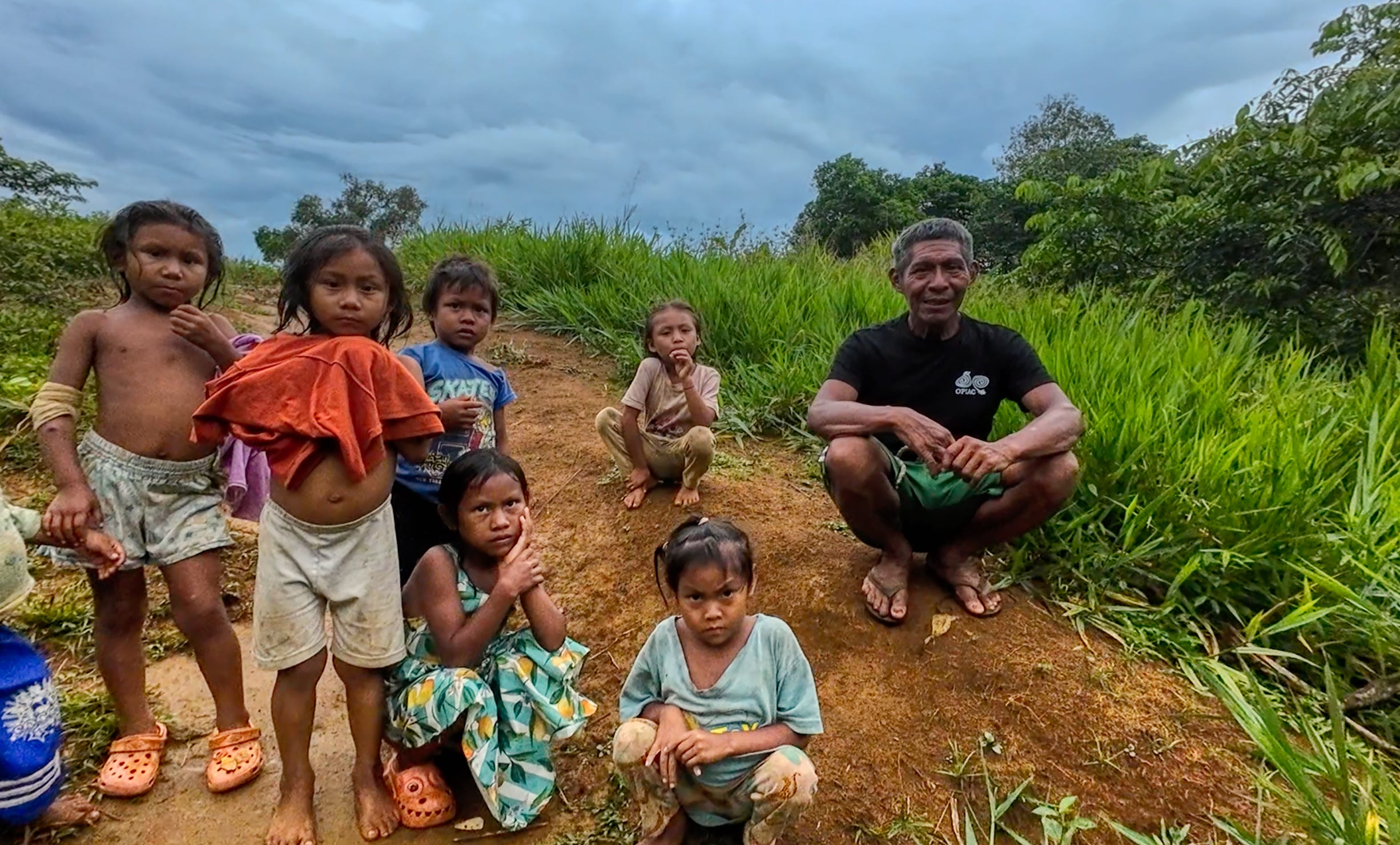
A wilderness is a place without people. The Colombian Amazon has been home to human communities for at least 12,000 years. In that time, those communities developed sophisticated systems for managing biodiversity, water, soil, and forest resources. They cultivated food plants across enormous territories. They built trading networks across river systems that connected communities speaking dozens of different languages. They developed medical knowledge so deep that modern pharmacology is still extracting value from it — in most cases without attribution, compensation, or acknowledgment.
What looks like untouched forest to an outsider is, in many places, a cultivated landscape. The Amazon that European explorers described as “wilderness” in the 16th century was, in significant parts, a managed garden on a continental scale.
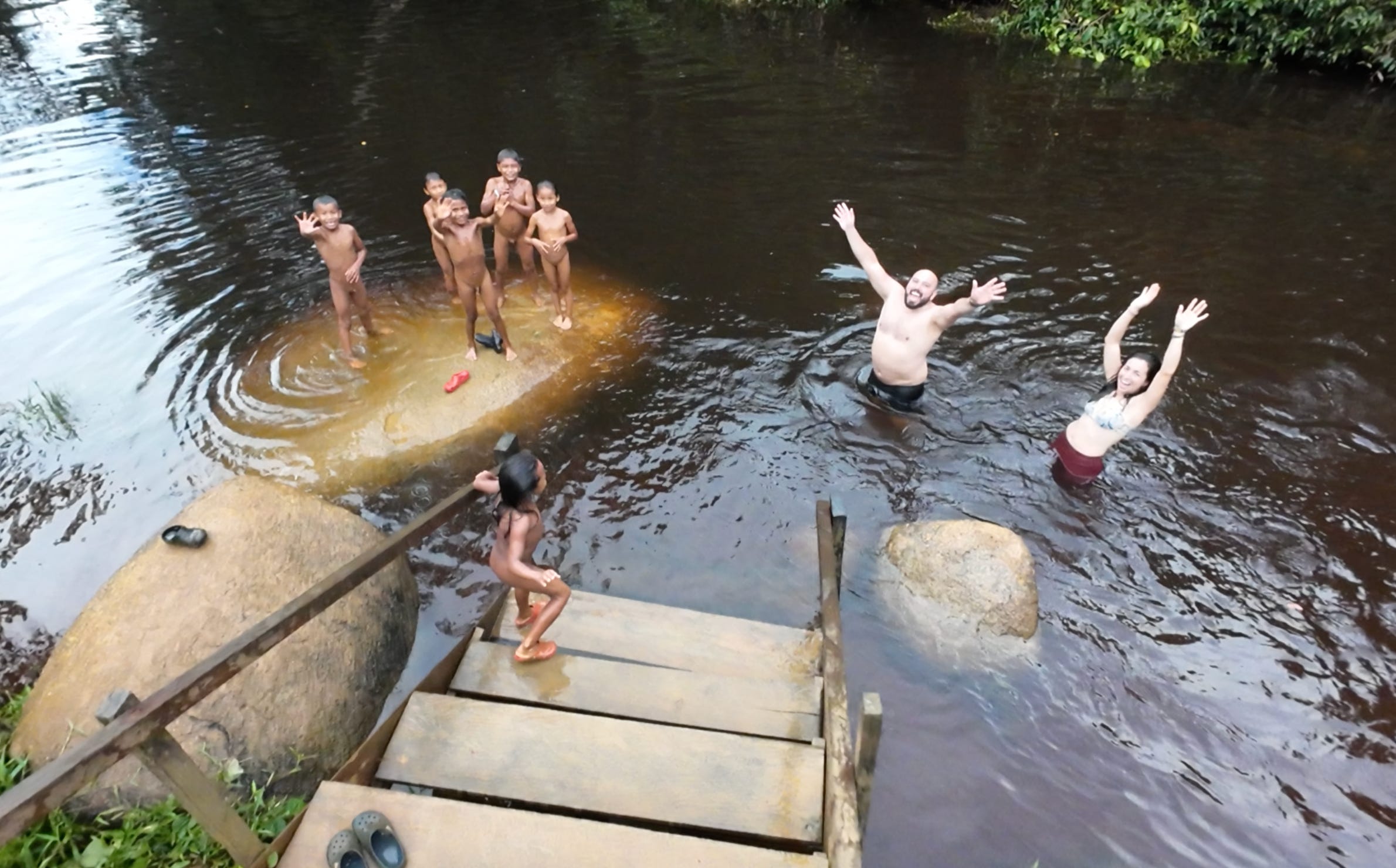
That management did not stop. It adapted. It survived colonization, missionary campaigns, rubber booms, coca booms, gold booms, and oil booms. It survived the specific violence directed at communities who resisted each of those booms. It continues today, in communities across more than 40 million hectares of Colombian Amazonian territory, carried by more than 60 distinct Indigenous peoples.
Here is what 40 million hectares means in practice.
The Colombian Amazon is roughly the size of California and Texas combined. Within it, you find lowland jungle, flooded forests, open savannas, cloud-edged highlands, blackwater rivers, and the meeting points of continental watersheds.
The Amazon, Caquetá, Putumayo, Vaupés, and Guaviare rivers are not scenery. They are roads. They are the infrastructure of the territory. Communities navigate them for trade, for governance, for ceremony, for access to food and medicine and family. When an illegal mining operation contaminated a river in Vaupés last year, it was not an environmental event. It was an attack on transportation infrastructure, food systems, and medicine access for the communities who depended on it.
Here is what biodiversity means in practice.
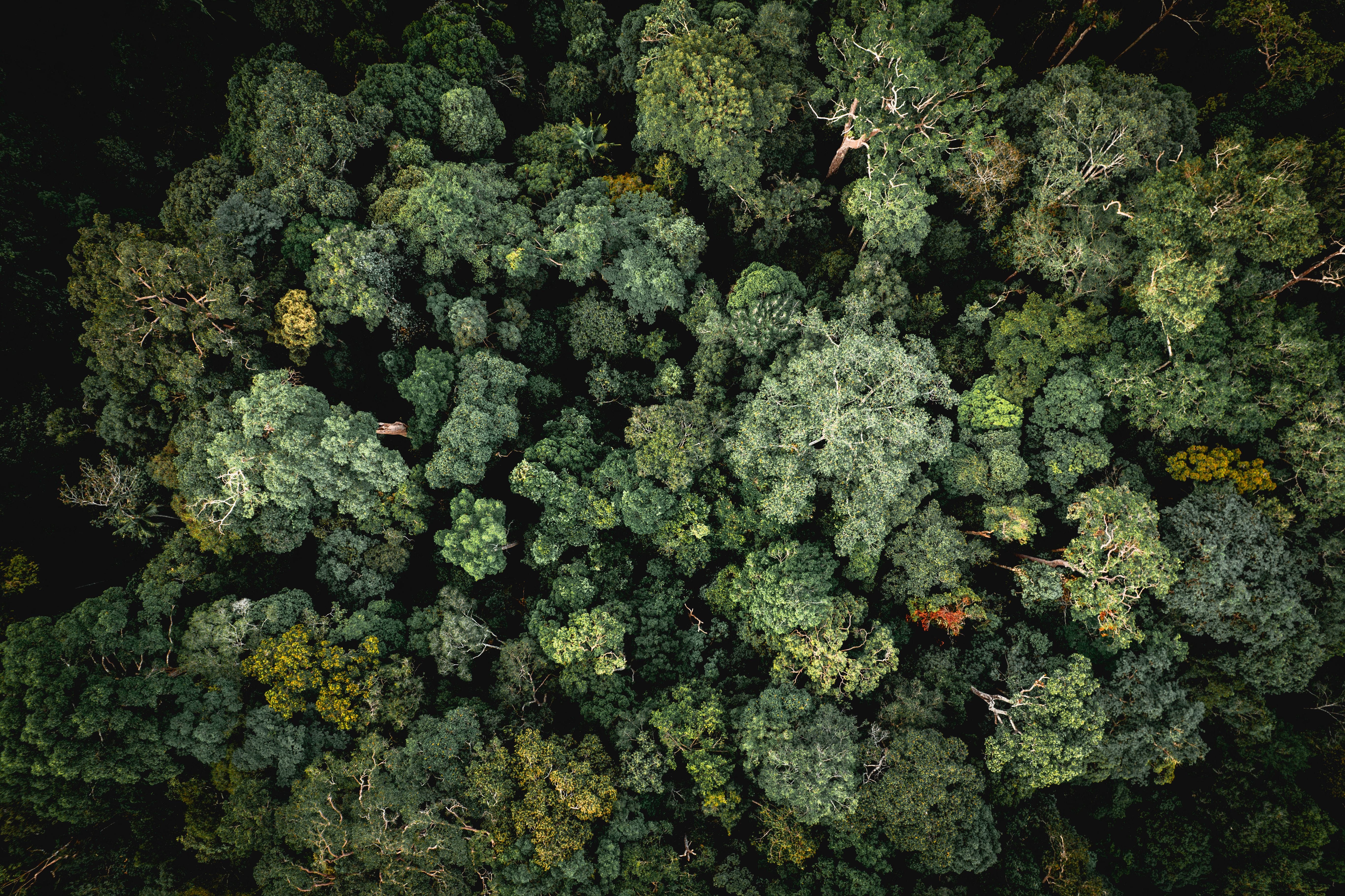
A single hectare of Colombian Amazonian forest may contain more tree species than exist in all of Europe. Those trees are not random. Many of them were planted, managed, or encouraged by communities over generations. The knowledge of which plants treat which conditions, which combinations are therapeutic and which are toxic, which seasonal foods prevent which deficiencies — this knowledge is held by living people, transmitted through practice, ceremony, and language. It is not written down in a form that can be extracted and applied without the people who carry it.
When a language dies in the Colombian Amazon, a knowledge system disappears with it. Not a collection of information that can be archived. A living relationship between human beings and a specific landscape, refined over thousands of years, that cannot be reconstructed from field notes.
Here is what sovereignty means in practice.
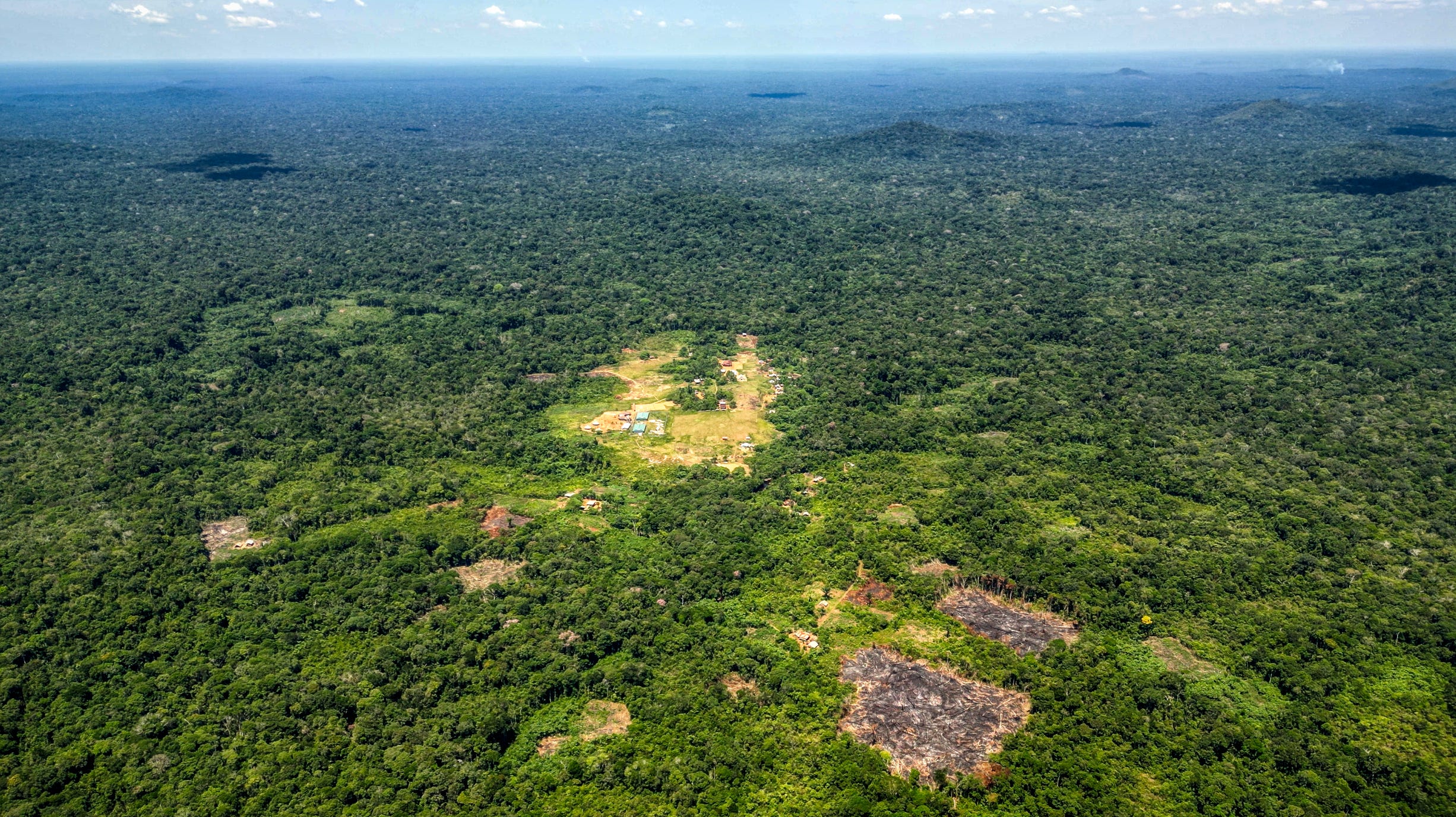
Indigenous communities in the Colombian Amazon hold legal title to resguardos — indigenous territorial reserves — that together cover a significant portion of the Colombian Amazon. This is not a gift from the state. It is a recognition, partial and contested, of prior rights that predate the state.
Within those territories, communities govern themselves. They manage resource access. They decide who can enter, for what purpose, under what conditions. They negotiate with extractive industries, with the Colombian government, with NGOs, with researchers, and with tourism operators. They do this with varying degrees of legal support, institutional capacity, and physical security — because the same territories that are legally protected are also frequently the targets of illegal mining, deforestation, and drug-related violence.
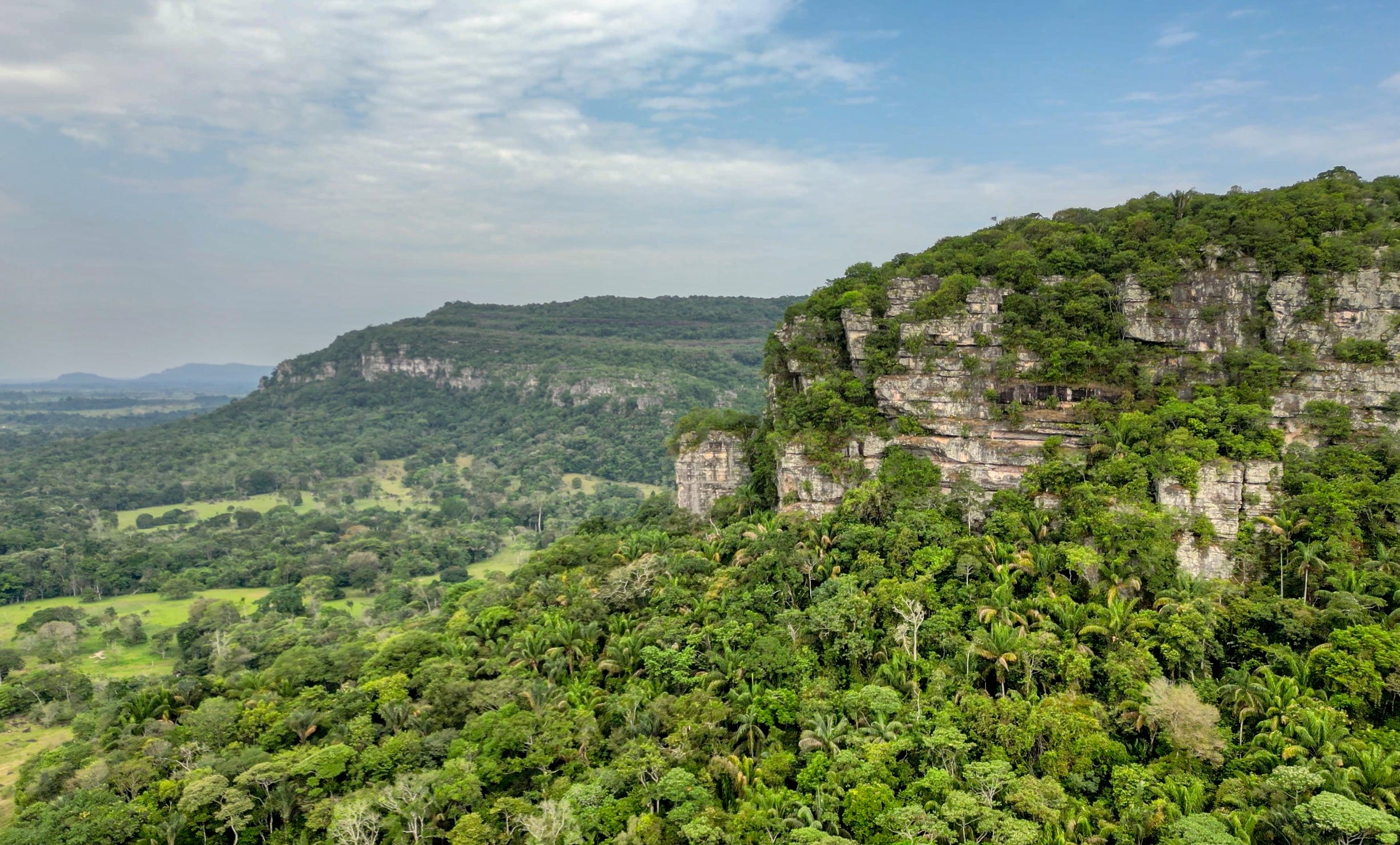
Sovereignty, in this context, is not an abstract concept. It is a practice under daily pressure.
Why does this framing matter for a journal about the Colombian Amazon?
Because the way you understand the Amazon determines what solutions you consider acceptable.
If the Amazon is a wilderness, the solution is preservation — keeping people out, minimizing human impact, protecting it from the people who live there.
If the Amazon is a resource warehouse, the solution is sustainable management — finding ways to extract value more efficiently and share more of the proceeds with local communities.
If the Amazon is a governed territory with its own peoples, knowledge systems, and economic frameworks, the solution looks different. It involves recognizing the rights of those communities to make decisions about their own territories. It involves building economic relationships based on fair exchange rather than extraction. It involves understanding that the communities who have managed this territory for thousands of years have knowledge that no outside institution can replicate or replace.
The Colombian Amazon Journal operates from the third framing.
That does not mean we ignore deforestation, or mining, or the real and urgent pressures on the Amazon’s ecology. It means we cover those pressures from inside the territorial logic of the communities who are dealing with them, rather than from the outside perspective of the people who describe the problems without living with the consequences.
In the next posts, you will see what that looks like in practice.
A field note from a specific place. A conversation with a community member about what they are facing right now. A transparency report on what one expedition produced and how the proceeds were distributed.
If you want to receive those posts directly, subscribe. The field notes and education pieces are always free.
The full field reports and monthly Field Ledger go to paid subscribers. $8 a month. The first 100 people to subscribe at $200 a year are Mission Partner Members of this publication.
Marcel & Johana
Forward this to someone who talks about the Amazon without knowing what they are talking about. Not as a correction. As an invitation.